Skip to content
OneAggrgtr

For merchants

One model, many kinds of merchant.

A grocery's weight-priced items and a restaurant's modifiers should not need two platforms. OneAggrgtr's model is built from commerce semantics shared across categories, with industry-specific behavior layered on where a real need exists.

Merchant categories

What the model is designed to express.

Each card describes how the canonical model represents that category. These are capabilities of the design, exercised in simulation. They are not a statement about which live channels or providers can support them.

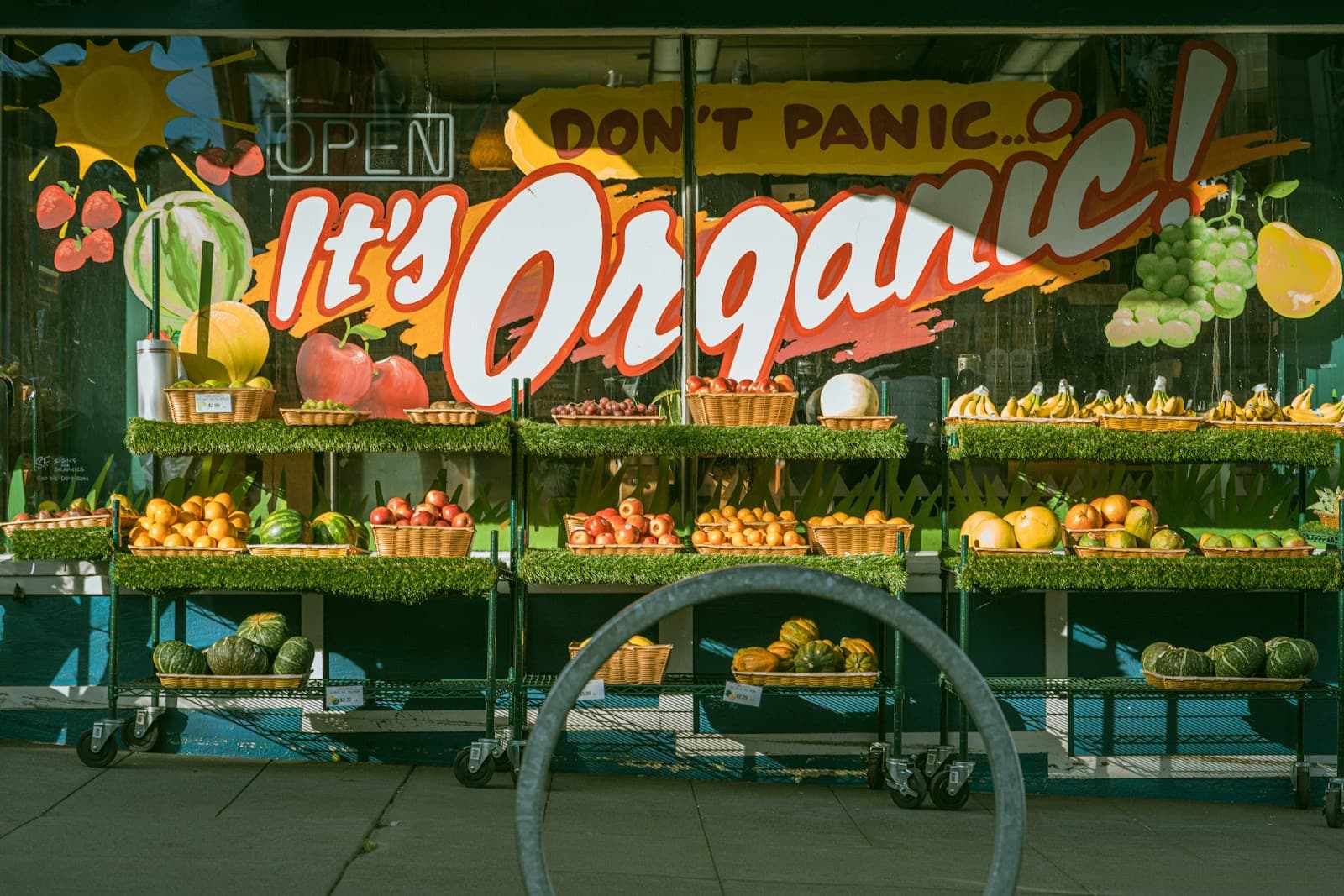
A grocery storefront window with baskets of fruit and squash on tiered display shelves.

Grocery

Items sold by weight, substituted, and part-fulfilled.

  • Weight and unit-of-measure pricing is part of the price model, not a workaround.
  • An order line can be substituted or partly fulfilled without failing the whole order.
  • Inventory reservations are admitted atomically, so concurrent orders cannot both claim the last unit.

Convenience

Fast-moving stock across several channels at once.

  • One canonical catalog, mapped separately to each channel and system.
  • Out-of-order sync updates are rejected by an ordering guard, so an older update cannot overwrite newer stock.
  • Order state, fulfillment, and delivery advance independently.

Regulated retail

Liquor · Smoke and vape · Drug stores and pharmacies

Age- and identity-restricted goods, tracked from catalog to handoff.

  • Products can be flagged as regulated, with a category and a minimum age.
  • Each order line records whether verification is required at handoff, as a permanent snapshot.
  • Whether a given channel can perform verification depends on that provider's verified capabilities. Until confirmed, it is treated as unknown.
Two white clothing racks holding neutral and rust-colored garments beside a potted plant.

Clothing and specialty retail

Products with variants, mapped per channel.

  • Size, color, and other variants sit under one product, with their own pricing and inventory.
  • Each variant carries its own external references, one per channel.
  • Provider identifiers are references to the canonical variant, never its identity.
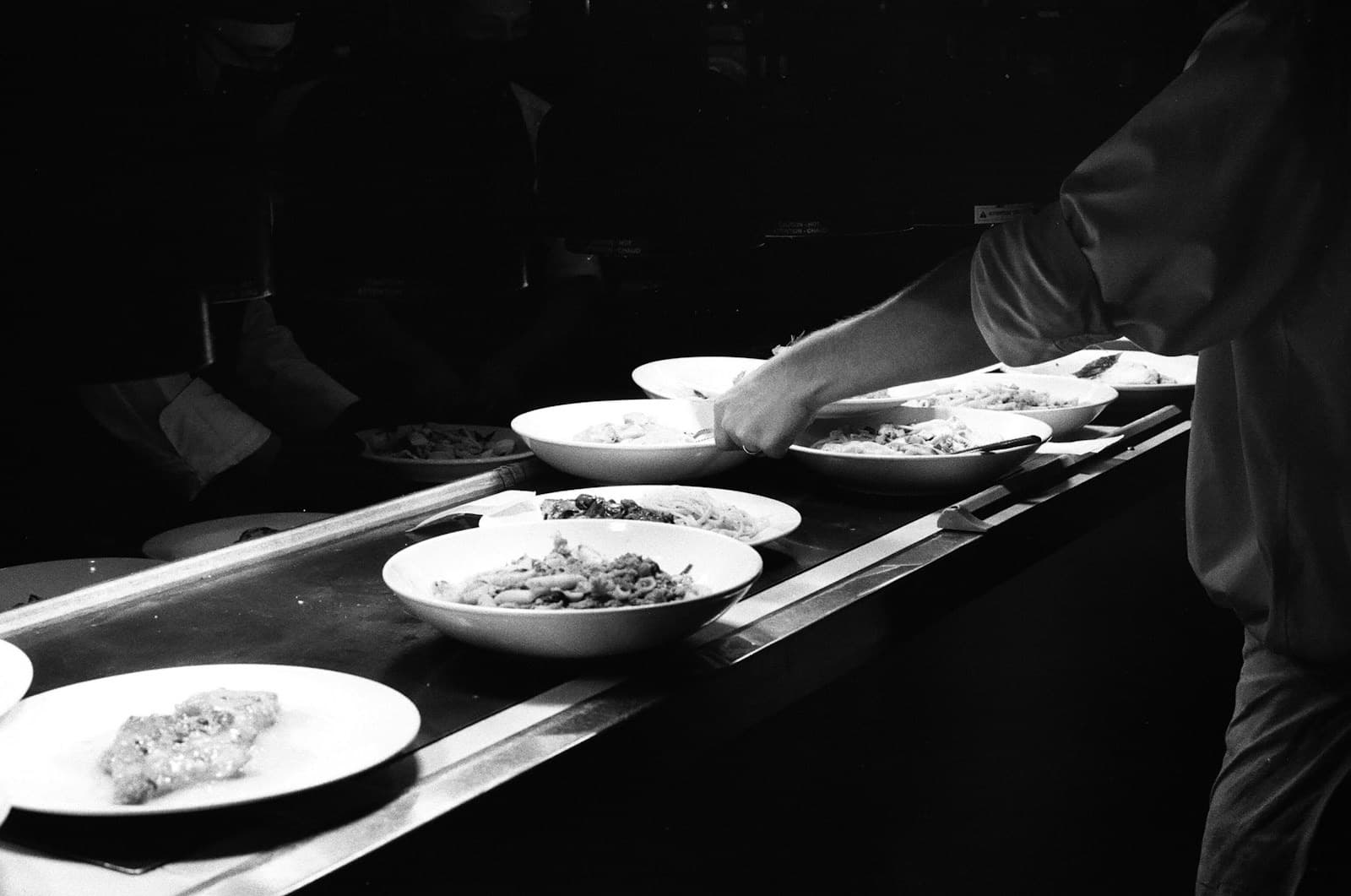
A cook's arm reaching over a row of plated pasta dishes on a dark kitchen pass, in black and white.

Restaurants

Modifiers as a capability of the catalog, not its foundation.

  • Modifier groups and modifiers are part of the catalog model, alongside variants.
  • A cancellation that arrives after an order was sent on is recorded for reconciliation instead of being silently dropped.
  • One model serves the restaurant next to a retail shelf.

Hybrid retail and food

Shelf items and prepared items in one catalog.

  • Business type is an attribute, not an architectural boundary.
  • Retail SKUs and prepared items share the same order, fulfillment, and mapping model.
  • Capabilities such as modifiers apply where they are relevant and stay out of the way where they are not.

Professional services

Recognized as a merchant category.

  • The catalog and order model can describe what a service business sells.

Service-fulfillment workflows are not part of the initial version. This category is listed for completeness, not as a supported use case.

Photographs are documentary images from Unsplash and do not depict OneAggrgtr customers or partners. Returns and exchanges, tax computation, and payment processing are not part of the initial version.

Does your category fit?

Tell us what you sell and how it reaches customers. We will say plainly whether the model covers it today.